
Residential Interior Design
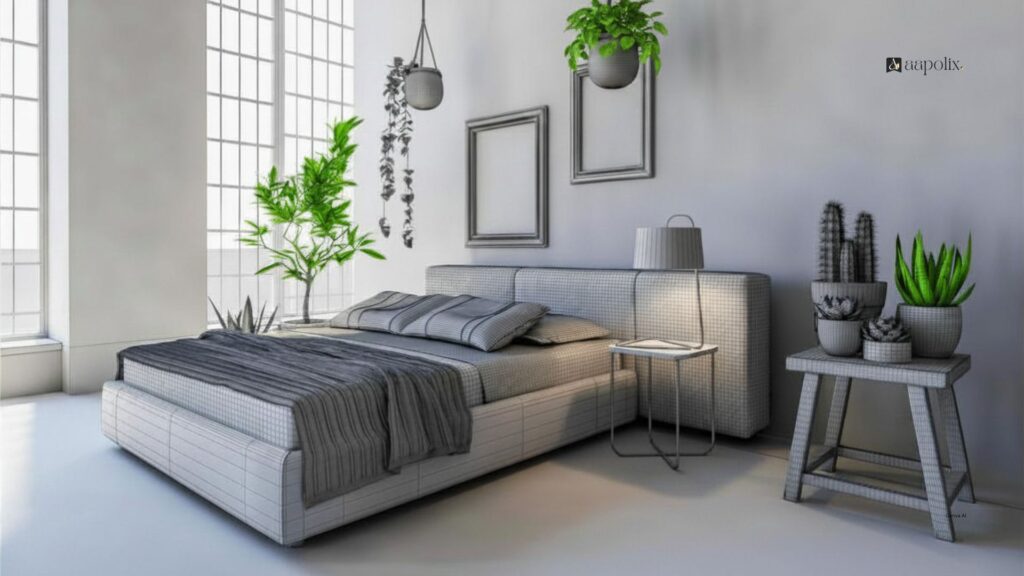
There’s a moment every homeowner experiences. You unlock the front door after a long day, step inside, and wish your home felt just a little more… you.
Maybe the furniture no longer reflects your personality. Maybe the walls feel empty, the rooms seem cramped, or your dream home somehow lost its charm over time. It isn’t always about buying expensive furniture or following the latest design trend. More often, it’s about creating a space that welcomes you every single day.
That’s where residential interior design makes all the difference.
A thoughtfully designed home isn’t just beautiful to look at—it supports your lifestyle, improves comfort, and turns everyday routines into enjoyable experiences. Whether you’re decorating your first apartment, renovating your family home, or planning a luxury residence, the right design choices can completely transform how your home feels.
In this guide, you’ll discover practical residential interior design ideas, modern trends, and expert advice to help you create a home that’s functional, timeless, and unmistakably yours.
What Is Residential Interior Design?
Residential interior design is the process of designing and decorating living spaces to improve their appearance, functionality, and comfort.
Unlike commercial interiors, which focus on offices, hotels, or retail spaces, residential interiors revolve around the people who call a house home. Every decision—from room layouts and lighting to colors and furniture—should make everyday life easier and more enjoyable.
Good residential interior design considers:
- The family’s lifestyle
- Daily routines
- Available space
- Natural lighting
- Storage requirements
- Personal style
- Long-term comfort
The goal isn’t simply to create a beautiful room. It’s to create a home that works effortlessly for the people living in it.
Why Residential Interior Design Matters
A well-designed home affects much more than appearances. Think about the kitchen where everyone gathers every evening. The bedroom where you finally unwind after a hectic day. The living room where birthdays, festivals, and movie nights become lifelong memories. Design shapes every one of those moments.
Professional residential interior design helps:
- Make small homes feel larger
- Improve organization and storage
- Increase natural light
- Reduce clutter
- Create better room flow
- Reflect your personality
- Increase property value
Even subtle improvements—like better lighting or smarter furniture placement—can dramatically change how a room feels.
Popular Residential Interior Design Styles
One of the biggest mistakes homeowners make is trying to combine too many styles without a clear direction.
Before choosing furniture or paint colors, decide on the overall design language of your home.
Modern Residential Interior Design
Modern interiors embrace simplicity.
You’ll often find:
- Neutral color palettes
- Clean architectural lines
- Functional furniture
- Minimal decoration
- Open layouts
- Large windows
Modern homes feel bright, spacious, and effortlessly elegant.
Contemporary Style
Often confused with modern design, contemporary interiors evolve with current trends.
Expect:
- Curved furniture
- Statement lighting
- Mixed textures
- Bold accent colors
- Open living spaces
This style works well for homeowners who enjoy refreshing their décor every few years.
Minimalist Interior Design
Minimalism follows one simple principle:
Keep only what adds value.
Characteristics include:
- Decluttered spaces
- Hidden storage
- Neutral tones
- Simple furniture
- Plenty of open space
Minimalist homes often feel calm and relaxing because visual distractions are reduced.
Traditional Interior Design
Traditional homes never go out of style.
Features include:
- Rich wood furniture
- Elegant moldings
- Symmetrical layouts
- Warm colors
- Decorative accessories
- Classic lighting
Perfect for homeowners who appreciate timeless elegance.
Scandinavian Design
Scandinavian interiors combine comfort with simplicity.
Common features include:
- White walls
- Wooden flooring
- Cozy textiles
- Soft lighting
- Functional furniture
- Natural materials
The result feels welcoming rather than cold.
Luxury Residential Interior Design
Luxury isn’t always about expensive furniture. True luxury comes from thoughtful details.
It often includes:
- Custom-made furniture
- Premium materials
- Designer lighting
- Natural stone
- Smart home integration
- Bespoke storage
- High-quality craftsmanship
Luxury interiors prioritize quality over quantity.
Residential Interior Design Ideas for Every Home
Every home has different challenges. Here are practical ideas that work in almost any residence.
Make Natural Light the Star
Natural light instantly makes rooms feel bigger and more inviting.
Simple ways to maximize it include:
- Using sheer curtains
- Hanging mirrors opposite windows
- Choosing light-colored walls
- Keeping windows uncluttered
- Adding reflective finishes
Good lighting changes the mood of an entire room.
Design Around Your Lifestyle
Don’t copy someone else’s home.
Instead, ask yourself:
- Do you work from home?
- Do you entertain guests often?
- Do children need space to play?
- Do you need extra storage?
- Do you cook every day?
Your answers should guide every design decision.
Choose Furniture That Fits the Space
Oversized furniture can overwhelm a room. Tiny furniture can make a large room feel awkward. Measure every space before purchasing. Leave enough room for comfortable movement between furniture pieces.
Create Layers with Lighting
One ceiling light rarely creates the right atmosphere.
Instead, combine:
- Ambient lighting
- Task lighting
- Accent lighting
Layered lighting adds warmth and flexibility throughout the day.
Add Texture for Warmth
Texture creates visual interest without making a room feel busy.
Mix materials like:
- Wood
- Linen
- Cotton
- Stone
- Glass
- Leather
- Woven fabrics
Different textures make even neutral interiors feel rich and inviting.
Residential Interior Design for Small Homes
Limited space doesn’t have to limit good design. Small homes often become the most creative projects.
Here are a few proven strategies.
Use Multi-Functional Furniture
Look for:
- Storage beds
- Extendable dining tables
- Sofa beds
- Nesting tables
- Ottoman storage
Every piece should serve more than one purpose whenever possible.
Think Vertically
Walls offer valuable storage.
Install:
- Floating shelves
- Tall bookcases
- Wall-mounted cabinets
- Hanging organizers
Vertical storage frees up floor space and keeps rooms feeling open.
Stick to a Consistent Color Palette
Using too many colors can make smaller homes feel cluttered. Choose two or three complementary shades and repeat them throughout the home for a cohesive look.
Reduce Visual Clutter
Open shelves filled with random items can quickly overwhelm a room. Display only meaningful pieces and keep everyday essentials organized behind closed storage. Sometimes, less truly feels like more.
Current Residential Interior Design Trends
Trends come and go, but some ideas are proving to have lasting appeal.
Earth-Inspired Color Palettes
Warm beige, olive green, terracotta, sand, and soft browns continue to dominate residential interiors.
These shades create calm, welcoming spaces.
Sustainable Materials
Homeowners increasingly choose:
- Bamboo
- Reclaimed wood
- Recycled materials
- Natural fabrics
- Energy-efficient lighting
Sustainability now influences both aesthetics and long-term value.
Curved Furniture
Rounded sofas, arched mirrors, and curved accent chairs soften modern interiors and make rooms feel more inviting.
Smart Homes
Technology is becoming almost invisible.
Popular additions include:
- Smart lighting
- Voice-controlled devices
- Automated curtains
- Smart thermostats
- Security systems
Convenience is now part of good interior design.
Common Residential Interior Design Mistakes
Even beautiful furniture can’t fix poor planning. Avoid these common mistakes.
Buying Furniture Before Planning
Always create a layout first. Furniture should fit the room—not the other way around.
Ignoring Storage
Beautiful homes still need practical storage. Plan enough cabinets, wardrobes, and hidden compartments before decorating.
Choosing Paint Too Early
Paint is one of the easiest elements to change. Select furniture, flooring, and fabrics first, then match the wall colors.
Following Every Trend
A home should outlast seasonal trends. Choose timeless foundations and use accessories to introduce trendy elements.
Should You Hire a Residential Interior Designer?
Many homeowners assume interior designers only work on luxury homes. That’s no longer true.
Professional designers can help with:
- Space planning
- Furniture layouts
- Material selection
- Lighting design
- Budget planning
- Color coordination
- Custom furniture
- Renovation guidance
Hiring an expert often prevents expensive mistakes and saves time during renovations.
Whether you’re redesigning one room or building your dream home from scratch, professional guidance can make the entire process smoother.
Frequently Asked Questions
What is residential interior design?
Residential interior design focuses on planning, designing, and decorating homes to improve functionality, comfort, and visual appeal.
What is the difference between residential and commercial interior design?
Residential interior design serves private homes, while commercial interior design focuses on offices, retail stores, hotels, restaurants, and public spaces.
How much does residential interior design cost?
Costs vary depending on project size, location, design complexity, materials, and whether you’re renovating a single room or an entire house.
Which interior design style is best for homes?
There’s no universal answer. Modern, Scandinavian, minimalist, traditional, and contemporary styles all work well depending on your lifestyle and personal preferences.
Can small homes have beautiful interior design?
Absolutely. Smart storage, multifunctional furniture, balanced lighting, and thoughtful layouts often make compact homes feel more spacious than larger ones.
Final Thoughts
A beautifully designed home isn’t measured by the price of its furniture or the size of its rooms. It’s measured by how it makes you feel.
When every room supports your daily routine, reflects your personality, and welcomes you at the end of the day, you’ve achieved something far more valuable than good décor—you’ve created a home that truly belongs to you.