
Interior Designers
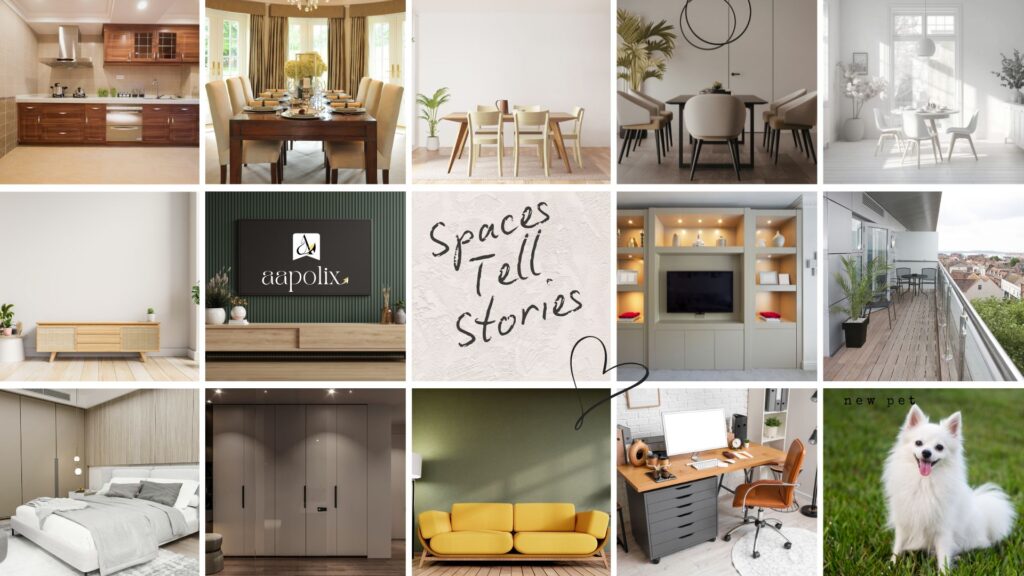
Spaces Tell Stories. Make Yours Worth Remembering.
Walk into two homes built with the same floor plan, the same dimensions, and the same budget, and you’ll often feel something completely different.
One feels warm the moment you step inside. The lighting is inviting, every piece of furniture seems to belong, and the space flows naturally from one room to another. It feels effortless, even though every detail has been carefully considered.
The other may have expensive furniture, stylish paint colors, and beautiful décor, yet something feels out of place. The rooms appear crowded, empty, disconnected, or simply uncomfortable to live in.
The difference isn’t luck.
It’s thoughtful interior design.
At its core, interior design isn’t about decorating a room with beautiful objects. It’s about creating spaces that improve the way people live, work, relax, and connect with others. Every decision—from where natural light enters a room to how people move through a hallway—shapes daily life in ways most people never notice until they experience it.
Whether you’re building a new home, renovating an existing property, designing a commercial office, or planning a luxury apartment, professional interior designers transform ideas into spaces that feel both beautiful and functional.
More Than Beautiful Interiors
Many people assume interior design begins with choosing paint colors, selecting furniture, or browsing décor ideas online. In reality, that’s only a small part of the journey.
Professional interior design starts by understanding the people who will use the space.
A growing family has different needs than a retired couple. A startup office requires a different environment than a law firm. A luxury villa should feel entirely different from a compact city apartment.
The goal isn’t to make every project look the same. The goal is to make every project feel right.
That means asking questions like:
- How do you spend your mornings?
- Where does your family naturally gather?
- Do you entertain guests often?
- Do you work from home?
- What frustrations do you have with your current space?
The answers become the foundation of every design decision that follows. Great design solves problems before it creates beauty.
Every Space Has Potential
One of the biggest misconceptions about interior design is that it’s only for luxury homes or large budgets.
That’s far from the truth.
- A small apartment can feel twice as spacious with smart planning.
- An office can improve productivity simply by redesigning circulation and lighting.
- A compact kitchen can become significantly more functional without increasing its size.
- A bedroom can become a true place of rest instead of just another room filled with furniture.
Interior design isn’t about adding more.
It’s often about removing what’s unnecessary and making better use of what’s already there. When every square foot has a purpose, even modest spaces begin to feel extraordinary.
What Do Interior Designers Actually Do?
People often see the finished photographs. They rarely see everything that happens before those photographs are taken. Professional interior designers coordinate dozens of decisions that need to work together perfectly.
These include:
Space Planning
- Every room begins with understanding how people move.
- Door swings.
- Walking paths.
- Furniture placement.
- Storage requirements.
- Natural movement.
Good layouts reduce clutter and improve comfort without increasing the size of the property.
Lighting Design
Lighting changes everything. The same room can feel bright, elegant, cozy, dramatic, or spacious depending on how it’s illuminated.
Professional designers combine:
- Natural daylight
- Ambient lighting
- Task lighting
- Accent lighting
to create spaces that remain comfortable throughout the day.
Material Selection
Beautiful materials aren’t always the right materials.
- A family with young children has different flooring requirements than a luxury penthouse.
- A restaurant needs finishes that withstand heavy traffic.
- A corporate office requires durability alongside aesthetics.
Professional designers balance beauty, maintenance, longevity, and budget before recommending finishes.
Furniture Planning
Buying furniture first is one of the most common mistakes homeowners make.
Furniture should fit the room—not the other way around.
Interior designers determine the correct proportions, circulation space, seating arrangements, and functionality before recommending pieces that complete the design.
Storage Solutions
The most beautiful homes are often the least cluttered. That’s rarely an accident.
Thoughtfully designed storage keeps everyday essentials accessible while allowing living spaces to remain clean, calm, and organized.
Hidden storage, modular wardrobes, custom cabinetry, multifunctional furniture, and intelligent shelving all contribute to homes that stay beautiful long after the photos are taken.
Project Coordination
Interior design isn’t only about creativity. It’s also about execution.
Designers frequently coordinate with:
- Architects
- Civil contractors
- Electricians
- Plumbers
- Carpenters
- Painters
- Fabricators
- Furniture manufacturers
Keeping every stage aligned helps reduce delays, avoid costly mistakes, and ensure the finished result matches the original vision.
Design Is About Living Better
Think about the places where you spend most of your life.
Your home. Your office. Your favorite café.
A hotel lobby that made you feel welcome. A restaurant you couldn’t stop talking about. You probably don’t remember every piece of furniture.
You remember how those places made you feel.
- Comfortable.
- Inspired.
- Relaxed.
- Productive.
- Safe.
- Excited.
That’s the real purpose of interior design. It shapes experiences.
The best interiors quietly improve everyday life without demanding attention.
- A kitchen where cooking becomes enjoyable.
- A workspace where ideas flow naturally.
- A bedroom that helps you unwind after a long day.
- A reception area that immediately builds trust with visitors.
When design supports life instead of competing with it, people notice—even if they can’t explain why.
Why Professional Interior Design Matters
Every construction project involves hundreds of decisions. Without a clear plan, those decisions are often made one at a time.
- A paint color today.
- A sofa next month.
- Lighting sometime later.
Eventually, the space becomes a collection of individual purchases rather than a cohesive design.
Professional interior designers work differently. They begin with the complete picture. Every element is planned to complement the others.
- Colors work together.
- Materials flow naturally from room to room.
- Furniture fits comfortably.
- Lighting enhances every corner.
- Storage is built where it’s actually needed.
- The result feels intentional because it is.
- Good design rarely happens by chance.
It’s the outcome of careful planning, technical knowledge, creativity, and attention to detail.
Every Project Begins With Understanding You
No two families live the same way. No two businesses operate the same way. That’s why every successful project begins with listening rather than designing.
Before sketches are drawn or materials are selected, experienced interior designers take time to understand:
- Your lifestyle
- Your goals
- Your preferences
- Your daily routines
- Your future plans
- Your budget
- Your timeline
Only then does the creative process begin.
The result isn’t a design copied from a catalogue or social media trend. It’s a space designed specifically for the people who will use it every day.
A well-designed interior doesn’t simply look impressive on the day it’s completed. It continues to support your lifestyle for years to come.
In the next section, we’ll explore the different types of interior design services—from residential homes and luxury villas to commercial offices, modular kitchens, and turnkey solutions—and explain how each is tailored to different needs, spaces, and lifestyles.
Residential Interior Design
A house becomes a home long before the furniture arrives. It begins with understanding how people live within its walls.
Some families gather in the kitchen every evening. Others spend weekends hosting friends in the living room. Some need quiet corners for reading, while others need open spaces where children can play safely.
A successful residential interior isn’t designed around trends. It’s designed around everyday life.
When every room supports the people who use it, the entire home feels effortless.
Living Rooms That Bring People Together
The living room is often the first impression of a home and the place where most memories are made.
- Movie nights.
- Family conversations.
- Festive celebrations.
- Quiet Sunday afternoons.
Instead of filling the room with furniture, great design creates balance.
Natural light, comfortable seating, thoughtful layouts, warm textures, and subtle lighting work together to create a welcoming atmosphere that feels inviting throughout the day.
Bedrooms Designed for Rest
Many bedrooms look beautiful but fail at their most important job—helping people relax. A well-designed bedroom considers more than the bed.
- Lighting is softened.
- Storage is hidden.
- Colours become calming.
- Furniture allows easy movement.
Every detail works together to create a peaceful environment where the day naturally slows down.
Kitchens That Work as Hard as You Do
The kitchen has become the heart of modern homes. It’s where mornings begin, conversations happen, and families reconnect.
A beautiful kitchen is valuable. A functional kitchen is priceless.
Professional interior designers carefully plan:
- Cooking workflow
- Storage efficiency
- Countertop space
- Appliance placement
- Lighting
- Ventilation
- Easy maintenance
The result is a kitchen that looks elegant while making everyday cooking easier.
Children’s Rooms That Grow With Them
Children change faster than furniture.
Designing rooms that adapt over time helps families avoid frequent renovations.
Flexible storage, multifunctional furniture, study spaces, safe layouts, and timeless colour palettes allow rooms to evolve naturally as children grow.
Small Spaces With Big Possibilities
Limited space doesn’t have to mean limited comfort. In fact, compact homes often benefit the most from professional planning.
Smart interior design can transform small apartments into spacious, organized, and highly functional homes by using every available inch wisely.
- Custom storage.
- Wall-mounted furniture.
- Multi-purpose spaces.
- Visual openness.
- Natural lighting.
These small decisions create remarkable improvements.
Commercial Interior Design
Businesses are judged long before a conversation begins. The moment someone walks through the entrance, they begin forming opinions.
- Professional.
- Trustworthy.
- Modern.
- Creative.
- Organized.
Those impressions aren’t created by advertising. They’re created by the environment.
Commercial interior design helps businesses communicate their values without saying a single word.
Office Interior Design
People spend thousands of hours inside their workplace. A well-designed office doesn’t simply look attractive—it improves productivity, collaboration, and employee well-being.
Modern offices balance:
- Open collaboration
- Private workspaces
- Comfortable meeting rooms
- Natural lighting
- Acoustic comfort
- Efficient circulation
When employees enjoy the environment they work in, businesses often experience higher engagement and better performance.
Retail Spaces That Encourage Customers to Stay
Retail design is part psychology, part strategy.
- Product placement.
- Customer flow.
- Lighting.
- Display areas.
- Checkout positioning.
Every element influences how customers interact with the space. Thoughtful retail interiors encourage visitors to explore naturally rather than feel overwhelmed.
Restaurants, Cafés and Hospitality
- People remember experiences.
- The food may bring customers in once.
- The atmosphere often brings them back.
Interior designers help hospitality businesses create spaces that feel welcoming, comfortable, and memorable while supporting efficient staff movement behind the scenes.
Every detail contributes to the overall dining experience.
Modular Interior Design
Modern lifestyles demand flexibility. That’s why modular interiors continue to grow in popularity.
Unlike traditional fixed furniture, modular solutions maximize functionality while maintaining clean, contemporary aesthetics.
They also make future upgrades significantly easier.
Modular Kitchens
Today’s kitchens need to do more than cook meals. They must organize appliances, reduce clutter, improve workflow, and remain easy to clean.
Professional designers create modular kitchens that combine practical layouts with premium finishes, ensuring beauty never comes at the expense of functionality.
Smart Storage Solutions
- Storage isn’t about hiding belongings.
- It’s about making daily life simpler.
- Custom wardrobes.
- Walk-in closets.
- Under-stair storage.
- Built-in cabinets.
- Floating shelves.
- Multi-purpose furniture.
Each solution is carefully planned to reduce clutter without sacrificing style.
Custom Furniture
Mass-produced furniture rarely fits every home perfectly. Custom-designed furniture allows every piece to match the available space, complement the overall design, and reflect the homeowner’s personality.
The result feels integrated rather than added later.
Luxury Interior Design
Luxury isn’t measured by expensive materials alone. True luxury is thoughtful design. It’s the feeling of walking into a space where everything feels intentional. Where lighting responds beautifully throughout the day. Where finishes feel timeless rather than fashionable. Where craftsmanship is visible in every detail.
Luxury interiors focus on quality instead of excess.
- Natural stone.
- Premium wood.
- Designer lighting.
- Custom furniture.
- Elegant textures.
- Refined colour palettes.
These elements come together to create spaces that remain sophisticated for years instead of following short-lived trends.
Our Interior Design Process
Every successful project follows a clear process. While every client has unique requirements, the journey generally follows the same carefully planned stages.
Discovery
Every project begins with understanding your goals. We discuss your lifestyle, preferences, budget, timeline, and expectations before making any design decisions. Listening always comes before designing.
Planning
- Measurements are taken.
- Layouts are prepared.
- Space utilization is optimized.
Initial concepts begin to take shape based on your requirements.
This stage creates the foundation for everything that follows.
Design Development
- Ideas become visual.
- Colour palettes.
- Material selections.
- Furniture layouts.
- Lighting concepts.
- Storage planning.
- 3D visualizations.
Every decision is refined until the design feels complete.
Execution
Once designs are approved, execution begins. Contractors, craftsmen, suppliers, and installation teams work together under coordinated supervision to ensure quality remains consistent throughout the project.
Attention to detail matters at every stage.
Final Styling
The final stage brings the entire vision together.
- Furniture is placed.
- Artwork is installed.
- Lighting is adjusted.
- Décor completes the atmosphere.
What was once an empty space now feels warm, functional, and ready to be lived in.
Good Design Doesn’t End When Construction Ends
The most successful interiors continue working long after the project is complete.
- They adapt to changing lifestyles.
- They remain functional.
- They age gracefully.
Most importantly, they continue making everyday life easier.
That’s the true measure of great interior design.
How Much Does Interior Design Cost?
It’s one of the first questions almost every homeowner asks.
“How much will it cost?”
The honest answer is simple. It depends. Not because pricing is unclear, but because no two projects are the same.
Designing a compact apartment is very different from designing a luxury villa. Renovating a single room requires a different level of planning than furnishing an entire office. Materials, finishes, customization, labour, and project size all influence the final investment.
Instead of asking, “What’s the cheapest option?”, a better question is:
“What creates the best long-term value?”
The lowest quote doesn’t always save money. Poor planning often leads to expensive changes, delays, wasted materials, and replacing items that should have been chosen correctly the first time. Professional interior design helps avoid those costly mistakes.
What Influences Interior Design Pricing?
Several factors determine the overall investment required for an interior design project.
- Property Size: Naturally, larger homes and commercial spaces require more materials, furniture, labour, and planning. A studio apartment and a five-bedroom villa have completely different design requirements.
- Scope of Work: Every project is unique. Some clients need only design consultation. Others require complete turnkey execution including civil work, electrical planning, carpentry, false ceilings, flooring, painting, lighting, furniture, and final styling. The broader the scope, the greater the planning involved.
- Material Selection: Materials have a significant impact on both appearance and longevity.
Material Selection include:
- Laminates
- Veneers
- Natural wood
- Quartz
- Granite
- Marble
- Glass
- Metal finishes
- Premium fabrics
- Designer lighting
The goal isn’t choosing the most expensive material. It’s choosing the right material for the way the space will be used.
Level of Customization
- Custom wardrobes.
- Built-in storage.
- Designer furniture.
- Feature walls.
- Special lighting.
These personalized elements make a home unique but also require additional craftsmanship and planning.
Project Timeline
Fast-track projects often require additional coordination, manpower, and scheduling. Planning early usually provides more flexibility and better cost control.
Is Hiring an Interior Designer Worth It?
Many people initially believe hiring an interior designer is an added expense. In reality, it often becomes one of the smartest investments in the entire project.
Fewer Costly Mistakes
- One incorrect furniture purchase.
- One poorly positioned electrical point.
- One badly planned kitchen.
- One incorrect flooring choice.
- Each mistake can cost thousands to correct later.
- Professional planning dramatically reduces these risks.
Better Space Utilization
Every square foot has value. Experienced designers know how to maximize storage, improve circulation, increase functionality, and create a feeling of spaciousness without physically expanding the property.
Cohesive Design
Without a clear plan, homes often become a mix of different styles collected over time. Professional designers ensure every room feels connected while maintaining its own character. The result feels intentional instead of accidental.
Access to Better Resources
Interior designers regularly work with trusted suppliers, manufacturers, craftsmen, and contractors.
Their experience helps clients avoid unreliable vendors while discovering materials and solutions that may not be easily available to the general public.
Time Savings
Managing an interior project can quickly become overwhelming. Coordinating multiple teams, tracking deliveries, approving materials, monitoring quality, and solving unexpected issues requires considerable time.
A professional designer manages these moving parts, allowing homeowners and business owners to focus on their daily lives.
Common Mistakes Homeowners Make
Interior design mistakes rarely happen because of poor taste. They usually happen because decisions are made without an overall plan. Here are some of the most common issues professionals help clients avoid.
Buying Furniture Too Early
Many people purchase sofas, dining tables, or wardrobes before understanding the overall layout. Later they discover the furniture blocks movement, looks oversized, or doesn’t suit the finished design.
Planning first almost always produces better results.
Ignoring Lighting
Lighting is frequently treated as an afterthought. Yet it’s one of the most powerful design elements in any space. Even premium interiors can feel dull with poor lighting. Layering ambient, task, and accent lighting creates warmth, depth, and functionality.
Choosing Trends Over Lifestyle
- Design trends come and go.
- Your daily routine remains.
A stylish space that doesn’t suit your lifestyle quickly becomes frustrating. Timeless design always outlasts temporary trends.
Not Planning Storage
Storage should never be something added at the end of a project. It should be integrated from the beginning. Homes with thoughtful storage remain organized, functional, and visually calm for years.
Focusing Only on Appearance
- Beautiful interiors are wonderful.
- Beautiful interiors that are comfortable to live in are even better.
- Successful design balances aesthetics with practicality.
Sustainable Interior Design
Good design doesn’t only improve homes. It can also reduce environmental impact.
Many homeowners are now choosing sustainable materials and energy-efficient solutions without compromising style.
Examples include:
- LED lighting
- Low-VOC paints
- Sustainable wood products
- Energy-efficient appliances
- Recycled materials
- Water-saving fixtures
- Natural ventilation
- Durable finishes with longer life spans
Small decisions made during the design stage can continue delivering benefits for many years.
Interior Design Is an Investment in Everyday Life
Think about how much time you spend inside your home.
- Morning routines.
- Family dinners.
- Weekend celebrations.
- Remote work.
- Quiet evenings.
These moments happen every single day. The quality of the environment influences each one of them.
A thoughtfully designed home doesn’t simply increase property value.
- It improves quality of life.
- It reduces daily stress.
- It creates comfort.
- It supports routines.
- It brings families together.
That’s value that continues long after construction is complete.
Frequently Asked Questions
How early should I hire an interior designer?
The earlier, the better. Ideally, interior design planning should begin before construction or renovation starts. Early planning helps avoid unnecessary changes and allows electrical, plumbing, lighting, and structural decisions to align with the final design.
Can interior designers work with small budgets?
Absolutely. Good design isn’t determined by budget alone. Professional planning helps prioritize spending where it creates the greatest impact while avoiding unnecessary expenses.
Do I need interior design for a small apartment?
Yes. Smaller spaces often benefit the most from professional planning because every square foot matters. Efficient layouts, custom storage, and smart furniture choices can dramatically improve comfort.
How long does an interior design project take?
Every project is different. The timeline depends on property size, level of customization, material availability, and construction requirements. A detailed project schedule is typically prepared before execution begins.
Can I stay in my home during renovation?
That depends on the scope of work. Minor upgrades may allow homeowners to remain in the property, while full renovations often require temporary relocation for safety and convenience.
Do you provide complete turnkey interior solutions?
Yes. Turnkey interior design covers everything from concept development and planning to material selection, execution, quality control, installation, and final styling, providing clients with a seamless experience from start to finish.
By now, you’ve seen that exceptional interior design isn’t about filling rooms with expensive furniture or following the latest trends. It’s about creating spaces that reflect the people who live and work in them.
In the final section, we’ll look at what truly sets a professional interior design team apart, why choosing the right partner matters, and how thoughtful design can transform not just a property—but the way you experience it every single day.
Why Choose Us as Your Interior Designers?
Every interior designer can show beautiful photographs. Every designer can talk about creativity.
What truly matters is what happens between the first conversation and the day you walk into your completed space. That’s where experience makes the difference.
We believe great interiors are built on three foundations:
Understanding people. Planning every detail. Executing with precision.
Beautiful spaces are the natural result of getting these three things right.
We Listen Before We Design
No two clients are alike. Some dream of a warm family home where every weekend is filled with laughter. Some want a workspace that inspires productivity. Others want a peaceful retreat after long working days. That’s why our first meeting isn’t about colors or furniture.
It’s about understanding you. We learn about your lifestyle, routines, priorities, and expectations before creating a design that genuinely reflects who you are.
Because the best interiors don’t copy trends. They tell your story.
Design That Works Every Day
A beautifully designed room should still feel beautiful six months later. And six years later. That means every decision is made with everyday living in mind.
- Can you move comfortably?
- Is there enough storage?
- Does natural light reach where it’s needed?
- Will the materials withstand daily use?
- Can the design adapt as your family grows?
These questions shape every project we undertake. Because good design isn’t measured on the day of handover. It’s measured by how well it serves you every single day afterward.
Complete Interior Design Solutions
Whether you’re building from the ground up or transforming an existing property, we offer end-to-end interior design solutions tailored to your goals.
Our services include:
- Residential Interior Design
- Commercial Interior Design
- Office Interior Design
- Modular Kitchen Design
- Modular Wardrobes
- Living Room Interiors
- Bedroom Interiors
- Luxury Interior Design
- Turnkey Interior Solutions
- Space Planning
- 3D Design Visualization
- Furniture Planning
- Lighting Design
- False Ceiling Design
- Interior Renovation
- Home Styling
- Material Selection
- Custom Furniture Design
Every service is part of one connected design journey.
Our Design Philosophy
- We don’t believe that more is better.
- We believe that better is better.
- Every material is selected with purpose.
- Every layout is designed for comfort.
- Every finish is chosen for longevity.
- Every room is created to feel timeless rather than trendy.
Designed Around Your Lifestyle
Interior design should simplify life—not complicate it. Whether you need a family-friendly home, a productive office, a welcoming retail space, or a luxurious private residence, the design should make everyday living easier.
That means creating spaces that are:
- Comfortable to use
- Easy to maintain
- Efficiently organized
- Visually balanced
- Adaptable for the future
When design supports the way you live, everything feels more natural.
Quality Is in the Details
- People often notice the finished room.
- Professionals notice the details.
- The alignment of cabinetry.
- The consistency of finishes.
- The positioning of lighting.
- The spacing between furniture.
- The quality of workmanship.
- The precision of installation.
These small details rarely attract attention on their own. Together, they create interiors that feel refined, polished, and complete.
A Collaborative Process
The best projects are partnerships.
- We keep clients involved throughout the design journey.
- Ideas are discussed.
- Layouts are refined.
- Materials are reviewed.
- Visual concepts are shared.
- Questions are answered.
Nothing moves forward until you’re confident in every important decision. This collaborative approach helps ensure the finished result reflects your vision—not someone else’s.
Building Spaces That Last
- Trends change.
- Technology evolves.
- Lifestyle needs grow.
Great interior design anticipates change instead of resisting it. By focusing on timeless principles, durable materials, and flexible layouts, we create spaces that continue performing beautifully for years.
That’s why thoughtful planning is one of the most valuable investments you can make in any property.
Frequently Asked Questions
Do you design both homes and commercial spaces?
Yes. We work across residential, commercial, retail, hospitality, office, and mixed-use projects, tailoring every design to the unique needs of the space and the people who use it.
Can you redesign an existing home?
Absolutely. Whether you’re renovating a single room or transforming an entire property, we can create a design that improves functionality while preserving the character you love.
Do you help with furniture and décor selection?
Yes. Furniture, lighting, fabrics, artwork, and décor are all carefully selected to complement the overall design, ensuring every element works together harmoniously.
Do you provide 3D visualizations?
Yes. Detailed 3D concepts help you understand the finished design before execution begins, making it easier to review layouts, materials, colours, and finishes with confidence.
What makes your approach different?
We believe interior design is about creating spaces people enjoy living and working in—not simply spaces that photograph well.
Every project is shaped by practical thinking, thoughtful planning, and a genuine understanding of how people use their environments every day.
Let’s Create a Space You’ll Love Coming Home To
Every remarkable interior begins with a conversation. Whether you’re planning a new home, renovating an existing property, designing a modern office, or creating a commercial space that reflects your brand, the right design can transform the way people experience it.
If you’re looking for experienced interior designers who combine creativity with practical expertise, we’d love to hear about your project.